All Categories
Featured


Secrets to Budget Food for Local Festivals
Table of Contents
The invitations have actually headed out, the dcor chosen, and the playlist queued up. Now comes one of the most importantand typically most stressfulparts of hosting: choosing how much food and beverage to serve. Running out can seem like a mistake, and overbuying leaves you with an overstuffed fridge and unnecessary waste.
We focus on elevating larger at home occasions with ease and knowledge. If you've chosen to take the reins yourself, we've assembled the same thoughtful planning standards our team uses to make sure a successful occasion, whether you're hosting an intimate gathering or a bigger event. There's no precise formula for planning a menu, however these standard estimations are a handy starting point.
Party period and guest mix (grownups vs. kids) need to be considered. The richer the menu, the smaller the part sizes require to be. The more menu variety you provide, the less you need of each product. As a basic guideline, strategy for each adult to take in roughly 1 pound of food overall (omitting dessert), while kids normally eat about half that amount.
Essential Event Food Planning Tips for Busy Organizers
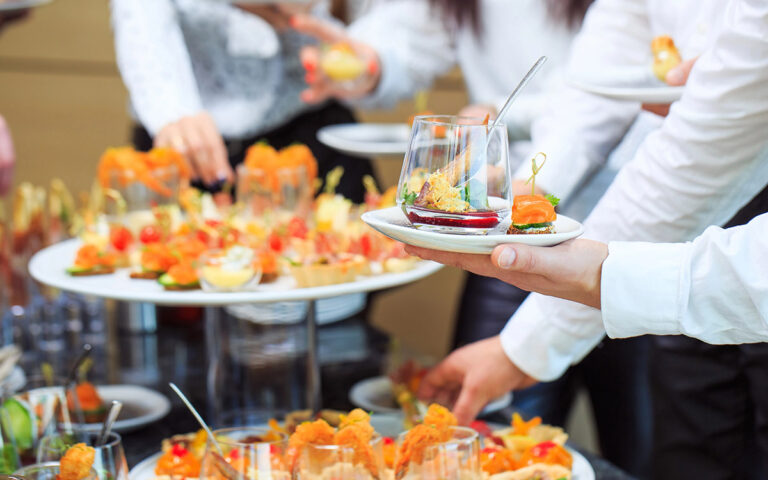
For a more formal gathering with a primary course, strategy for 3 to 4 pieces per individual. It's also sensible to offer simple, no-prep alternatives such as nuts or olives that visitors can delight in as they get here.
The Shift in Digital Loyalty Across Local NeighborhoodsRegardless of how filling the primary meal is, many guests will discover room for something sweet. Plan the following: Cake or pastry: 1 slice per person Cream-based desserts: 4 oz per person Ice cream: 5 oz per person Whether providing a curated cocktail menu or an open bar, preparing appropriately for drinks is important.
Open liquor bottles are shelf-stable, making overbuying a safer bet than running out mid-event. To assist decrease waste and prevent overconsumption: Avoid placing all food out at oncepace the courses Use smaller sized serving plates or bowls, which naturally limit oversized portions Think about color and discussion; a healthy, aesthetically appealing spread motivates visitors to sample more thoughtfully Constantly round your quantities up rather than down, and identify which dishes will likely be guest favorites so you can prepare appropriately.
Hosting a remarkable gathering does not require to be overwhelming. With thoughtful planning and the best approach to quantities, you can develop an event that feels generous, arranged, and seamless. And obviously, if you 'd rather focus on enjoying your visitors and not the logistics, Messina's Catering & Occasions is here to assist with full-service at home catering customized to your design and event.
Creative Community Event Ideas for the 2026 Season
Prepare for about 1 pound of food per grownup (excluding dessert). For kids, plan roughly half that quantity, adjusting as required based on the group. Time of day affects hunger, and guests generally eat more in the night. You'll also desire to consider the guest mix (grownups vs. kids), how rich the menu is, and how much range you're offeringgenerally, more range suggests you need less of each product.
The Shift in Digital Loyalty Across Local NeighborhoodsFor casual occasions, plan 46 pieces per individual. For appetizer-only or cocktail-style events, plan 46 pieces per individual, per hour, and consider adding basic no-prep choices like nuts or olives for visitors to enjoy as they get here. Utilize these basic serving sizes as a guide: meat or seafood: 6 oz per individual; potatoes: 5 oz; vegetables: 4 oz; beans: 2 oz; pasta: 4 oz; and green salad (undressed): 1 oz.
When serving buffet-style, decrease private portions slightly since guests tend to sample more dishes. Planning 12 ounces less per item is typically enough. Plan for 1 slice of cake or pastry per individual. For cream-based desserts, strategy 4 oz per individual, and for ice cream, strategy 5 oz per individual.
For white wine, intend on 1 bottle for about 2 guests, and for beer, price quote 2 drinks per visitor in the first hour, then 1 per hour after. Plan for 12 pounds of ice per visitor (more in warmer weather). If no alcohol is served, prepare for 3 non-alcoholic beverages per visitor; if alcohol is served, offer a minimum of 1 non-alcoholic beverage per visitor.

Usage smaller sized serving plates or bowls, and always round amounts up instead of down, specifically for guest favorites like shrimp cocktail or charcuterie.
Comparing the Top Food Rewards Apps for 2026
Whether you're preparing an intimate gathering or a big party for a crowd, something is essential: I have actually assembled a detailed party food list to offer you inspiration for your next hosting adventure. If you're serving something hot, consider using a chafing meal or sluggish cooker so that you do not need to continue reheating the food during the party.

Latest Posts

Creative Group Gathering Concepts for the New Year
Inspiring Neighborhood Gathering Themes for 2026

Maximizing Digital Reward Utility for Community Events